
Written By Bonny Isselt.
Introduction Expert Tips for Writing an Effective Bio Text: Blog Bio Guidelines
When it comes to creating an effective bio text for your blog, several key tips can help you craft a compelling and engaging introduction to your readers. Your bio is often the first impression that visitors to your blog will have of you, so it’s important to make it impactful and informative.
By following expert advice and implementing proven strategies, you can ensure that your bio effectively communicates your message and captures the interest of your audience.
Essential tips for writing an effective bio text is to focus on your unique story and what sets you apart. Highlighting your personal and professional background, as well as your passions and expertise, can help readers connect with you on a deeper level.
Additionally, incorporating a touch of personality and authenticity into your bio can make it more relatable and engaging for your audience.
By following these expert tips, you can create a bio text that resonates with your readers and encourages them to explore more of what your blog has to offer.
Overview
- In this blog post, you get an example of a bio.
- Furthermore, you get relevant and foundational tips to include in the bio.
- The goal is that you can write engaging bios for your blog.
- Also, how to dedicate a page on WordPress.
Table of Contents
The Importance of Blog Bio Guidelines
Creating a compelling blog bio is vital for capturing the interest of your readers. It provides a brief yet powerful insight into who you are and what your blog is all about. Blog bio guidelines help maintain consistency and professionalism across your platform, making it easier for visitors to connect with your content.
A well-crafted bio can effectively portray your personality, expertise, and unique voice, setting the tone for a meaningful and engaging relationship with your audience.
What to include in your bio?
- You.
- A photo [your face or business].
- Name.
- Age.
- Living area.
- The connection.
- What makes you unique?
- Your correlation. [the story, reason, the why].
- Refer to your social media pages.
- Call-to-action button.
Example of a bio
Hey there!
I’m Bonny, the proud owner and blogger of this amazing blog. Let me tell you a little more about myself. I’ve been around for 42 years, during which I’ve had some incredible adventures and experiences. For 30 years, I called the Netherlands my home, immersing myself in the vibrant culture, delicious food, and breathtaking landscapes. However, my restless soul craved new adventures, so I made the exciting decision to move to Quracao 12 years ago.
Living in Quracao has been an absolute dream. I’ve fallen head over heels for the stunning beaches, crystal-clear waters, and laid-back Caribbean lifestyle. It truly feels like paradise on Earth. The vibrant culture and warm hospitality of the locals have made me feel right at home.
Now, let’s talk a bit about my blog. It’s a reflection of my passions and interests – a beautiful mix of business and design. I love exploring the entrepreneurial world and sharing my insights, tips, and advice with my amazing readers. But that’s not all! I also have a knack for design, and I enjoy incorporating creative and eye-catching elements into my blog.
Though I mostly write in English, I want to make it clear that my blog is a welcoming space for people of all backgrounds and languages. Diversity makes our world so incredible, and I’m thrilled to connect with readers from all corners of the globe.
Here are some skills that I have picked up in the couple of years.
So, what are you waiting for? Head on over to my blog and dive into an exciting world of inspiration, knowledge, and entertainment. I hope you’ll love every bit of it as much as I do.
Cheers! 😉

Foundational Benefits of a Bio
Creating a captivating bio brings forth essential benefits for individuals and businesses. A meticulously composed bio stands as a potent tool for establishing credibility, nurturing trust, and leaving a profound impact.
Whether tailored for professional profiles, social media platforms, or corporate websites, a well-crafted bio authentically communicates expertise, values, and personality, laying the groundwork for profound connections and opportunities. It’s not just a bio it is a window into a world of possibilities!
I have listed the 3 most vital foundations you must take into account.
- Clear directions are the foundation of a unified and confident voice in all written content. When followed diligently, these guidelines guarantee a strong and steadfast tone that connects with the audience.
- Always maintain consistency in your writing format to uphold the professional standard of your articles.
- Your typography follows the same rules as your standard articles to prevent confusion.
How to craft an engaging bio?
Your biography is your chance to connect with your audience on a personal level, so make it shine with personality! Whether you’re writing for a professional profile or a social media account, infuse your bio with a touch of passion. Share your journey, your values, and what ignites your passion. Let your words spark curiosity and leave a lasting impression. Embrace the opportunity to captivate and inspire those who come across your bio.
The trick to creating a great bio is to really show off your personality and make everything flow together smoothly. I suggest getting the tips from my included section.
Incorporate the following to get a strong engaging bio
- Your uniqueness.
- What is your story?
- Why do you blog?
- Who are you?
- Where do you live?
- What is your background?
Your bio must have its own page
The reason why your bio must have its own space is that it’s clear to whoever comes to your blog, knows who they are dealing with, so they can return or refer to you much easier. Besides, it can help avoid copyright issues by referring to your content ownership as the go-to source with your name.
Example: The content appear first on Dropner Blog written by Bonny.
How to add a page in WordPress?
To start adding a WordPress page, you first need to understand the distinction between a blog post for articles and a page for pages. Blog posts for articles have a higher publication frequency, while pages have a lower publication frequency. In simpler terms, you will publish more articles than pages. Therefore, pages only need to be published once, unlike articles filled with tips.
Select pages from your WordPress dashboard panel and then click on the add new page button.


Publish the page
Now it’s time to publish the page, but before doing so, ensure to select the appropriate format [template] for the page. Opt for the full-width option to ensure that your page is displayed effectively on large screens.


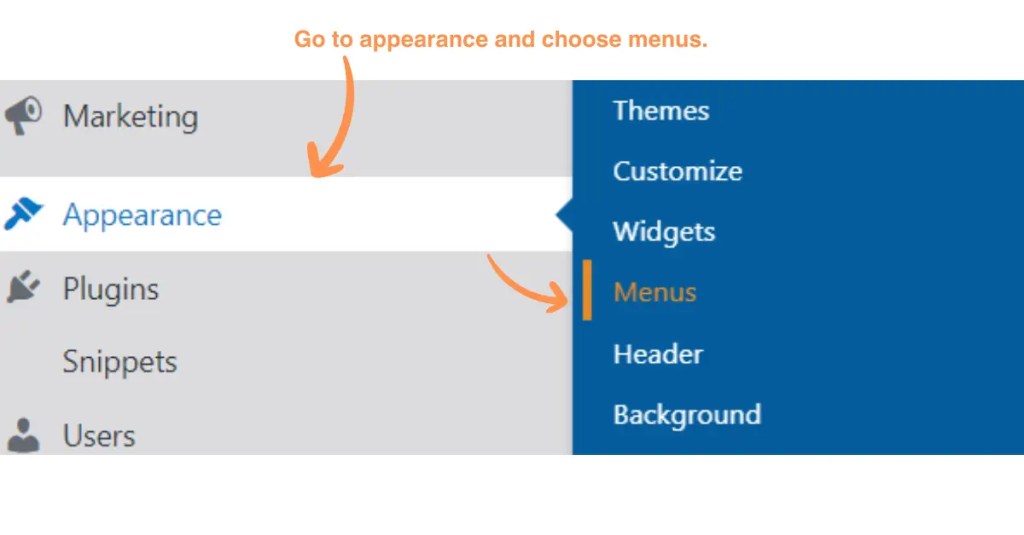
Order the page
The process of organizing a WordPress page to ensure it appears in the right place is essential for maintaining a clear and intuitive website structure. By following these steps, you can effectively guide your visitors to the content they are seeking, enhancing their overall user experience.
The use of custom menus can significantly aid in organizing your WordPress pages. Custom menus allow you to display links to specific pages, categories, or custom links, enabling you to create a navigational structure that best suits your website and its content. This empowers you to prioritize certain pages or categories, ensuring that they are prominently featured and easily accessible to your audience.
Additionally, optimizing the permalink structure of your WordPress pages can contribute to their organization. By incorporating descriptive keywords into your permalinks, you can create a more intuitive URL structure that accurately reflects the content of each page. This not only benefits your visitors but also improves the search engine optimization (SEO) of your website.
In summary, the organization of your WordPress pages plays a crucial role in providing a seamless and user-friendly experience for your audience. By strategically utilizing categories, tags, custom menus, and optimized permalinks, you can ensure that your content is effectively structured and presented, ultimately enhancing the overall usability and navigability of your website.
Select the page you just published.
Once you have finished publishing your page, you may want to review it and make sure everything looks just the way you want it. This is easily done by navigating to the ‘Pages’ section in your WordPress dashboard. Once you’re there, you will be able to see a list of all the pages you have created.
From this list, simply click on the title of the page you just published. This will take you to the live view of your page, allowing you to double-check that everything is displaying correctly. If you notice any issues, you can easily go back and make edits to the page until it meets your satisfaction.
It’s always a good idea to review your published content to ensure it aligns with your goals and resonates with your audience.
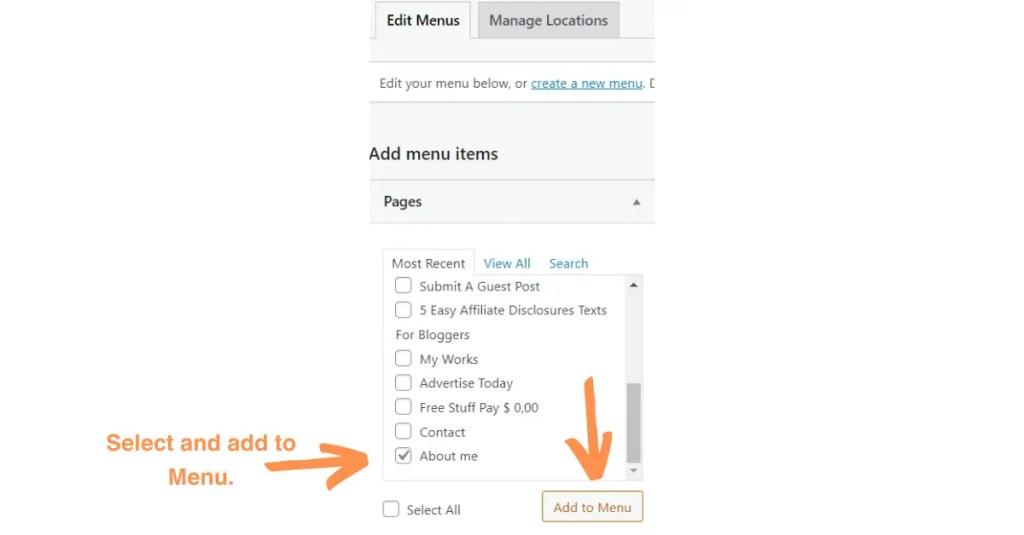
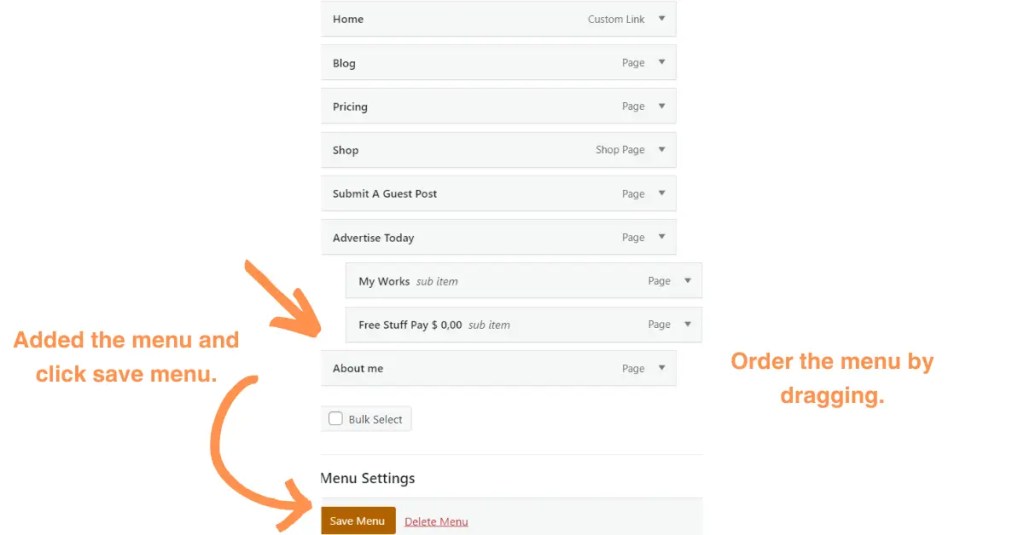
Menu guidelines
When creating a menu for your establishment, it’s essential to consider a few key menu guidelines.
- First and foremost, the menu should reflect your unique identity and concept, showcasing your restaurant’s personality. It should also be concise and easy to navigate, with clear categories and item descriptions that entice and inform diners.
- Additionally, incorporating seasonal ingredients and offering a balance of flavors and dietary options can elevate your menu and keep guests coming back for more.
- Furthermore, considering cost and pricing strategies can help maintain profitability while providing value to your customers.
- Lastly, regular updates and seeking feedback can help ensure that your menu evolves to align with the preferences of your patrons, creating a dynamic and engaging dining experience.

Storytelling techniques for bio writing
Crafting a compelling bio involves employing effective storytelling techniques that captivate the reader and convey the essence of the subject.
Here are some storytelling techniques to consider when writing a bio:
- Character Development: Just like in a story, the subject of the bio should be portrayed as a dynamic character with unique traits, experiences, and aspirations. By delving into the subject’s background, passions, and defining moments, you can create a multi-dimensional portrayal that resonates with the audience.
- Emotional Appeal: Connecting with the reader on an emotional level is crucial in bio writing. By incorporating anecdotes or pivotal life events, you can evoke empathy and understanding, drawing the reader into the narrative.
- Narrative Arc: Bios can benefit from a well-structured narrative arc, similar to that of a story. This could involve beginning with an attention-grabbing opening, navigating through key experiences, and culminating in a compelling conclusion that leaves a lasting impression.
- Authentic Voice: Infusing the bio with the subject’s authentic voice and perspective can make it more engaging and relatable. Whether it’s through direct quotes or a consistent tone, capturing the subject’s unique voice adds depth to the narrative.
- Show, Don’t Tell: Rather than simply listing accomplishments, illustrating the subject’s journey through vivid descriptions and concrete examples such as videos, can make the bio more vivid and impactful.
Source: HubSpot
By incorporating these storytelling techniques, writing can transcend the mundane and truly resonate with its audience, painting a vivid and compelling portrait of the subject.
Summary
By writing a bio and displaying it correctly, you demonstrate that your blog keeps up with the latest techniques and shows that your website looks like it’s made by an expert. WordPress pages are easy to create, follow my blog bio guidelines and menu guideline tips for a beautiful display on your blog website.
The main points of this article:
- Have a foundational story that connects you, and your blog to the reader.
- Have a logical menu order.
- Revise and double-check for errors.
Do you need a bio? Use my blog bio guidelines examples.
Let me know if you need help by posting a comment. If you like this blog post, click Like or share it with your friends on social media.

 Dropner Graphic Explainer