
Image via Unsplash

Written by Anne Thompson @Breadnbeyond. ✔️Published and Edited by Bonny Isselt.
Have You Heard About SEO Strategies for Ecommerce?
Optimizing an eCommerce website for search engines is essential for increasing visibility, attracting more customers, and driving sales.
With millions of online stores competing for attention, implementing effective SEO strategies can give your business a competitive edge. Below are seven ways to optimize your eCommerce website for search engines.
Table of contents (click to open it).
- Have You Heard About SEO Strategies for Ecommerce?
- 1. Conduct Comprehensive Keyword Research
- 2. Optimize Product Pages with SEO-Friendly Content
- 3. Improve Site Speed and Mobile Friendliness
- 4. Implement a Clear and SEO-Optimized Site Structure
- 5. Leverage Technical SEO Best Practices
- 6. Develop High-Quality Backlinks
- 7. Enhance User Experience (UX) and Engagement
- Conclusion
1. Conduct Comprehensive Keyword Research
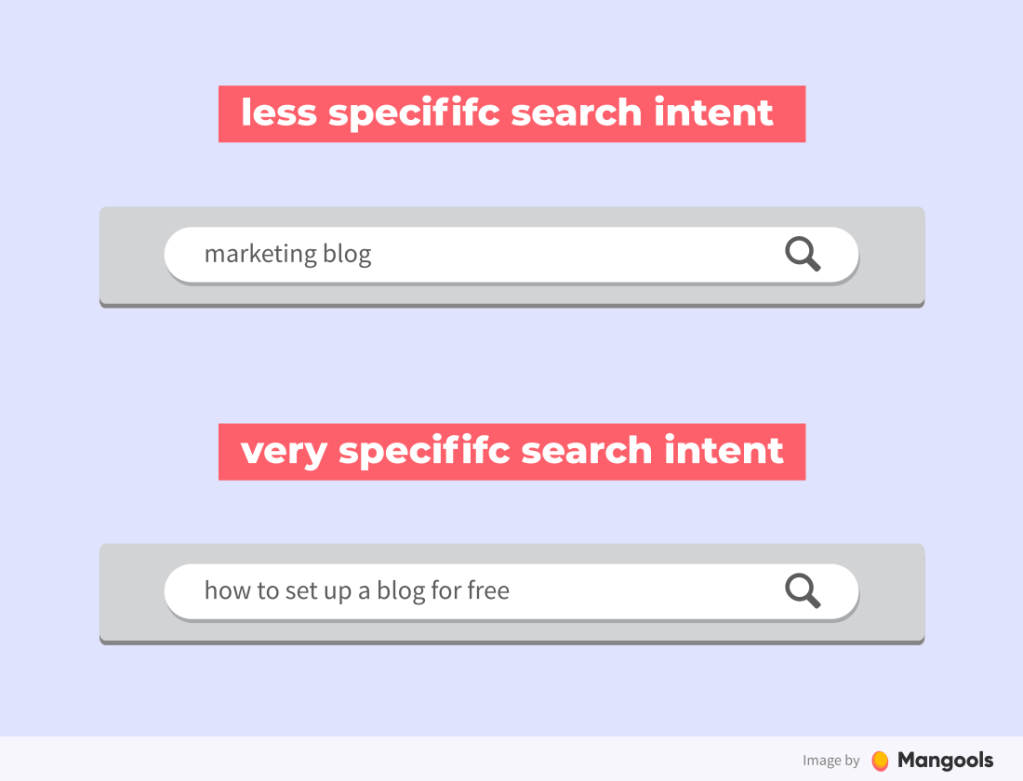
Keyword research is the foundation of any successful eCommerce SEO strategy. Identifying the right keywords helps you understand what potential customers are searching for and how to target them effectively. Use tools like Google Keyword Planner, Ahrefs, or SEMrush to find relevant search terms related to your products. Focus on a mix of:
- Short-tail keywords (e.g., “investment advisor”)
- Long-tail keywords (e.g., “best running shoes for flat feet”)
- Transactional keywords (e.g., “buy affordable running shoes online”)
To put that SEO keyword intent in an image, you get something like this.
Optimize product titles, descriptions, meta tags, and URLs with these keywords to improve search engine rankings.
2. Optimize Product Pages with SEO-Friendly Content
Each product page on your eCommerce site should be optimized for both search engines and users. This involves:
- Writing unique and compelling product descriptions with relevant keywords.
- Using descriptive product titles that accurately reflect what is being sold.
- Including high-quality images and alt text to improve accessibility and image search ranking.
- Incorporating customer reviews and ratings to enhance credibility and engagement.
By ensuring that each product page has well-structured and keyword-optimized content, you increase the chances of ranking higher in search results.
This is a fact according to Google read the content here👉 Best practices for ecommerce sites in Google Search.
3. Improve Site Speed and Mobile Friendliness
Website speed and mobile usability are critical ranking factors for search engines. Slow-loading pages lead to high bounce rates, which negatively impact rankings and conversions. To enhance speed and mobile friendliness:
- Optimize images by compressing them without losing quality.
- Use a content delivery network (CDN) to distribute content efficiently.
- Enable browser caching to reduce load times for returning visitors.
- Ensure responsive design so that your site functions seamlessly on mobile devices.
Google’s Mobile-Friendly Test tool can help you evaluate your site’s performance on different devices.
4. Implement a Clear and SEO-Optimized Site Structure
A well-organized site structure enhances user experience and helps search engines crawl and index your pages more efficiently. Key aspects include:
- Using clear category and subcategory hierarchies to make navigation intuitive.
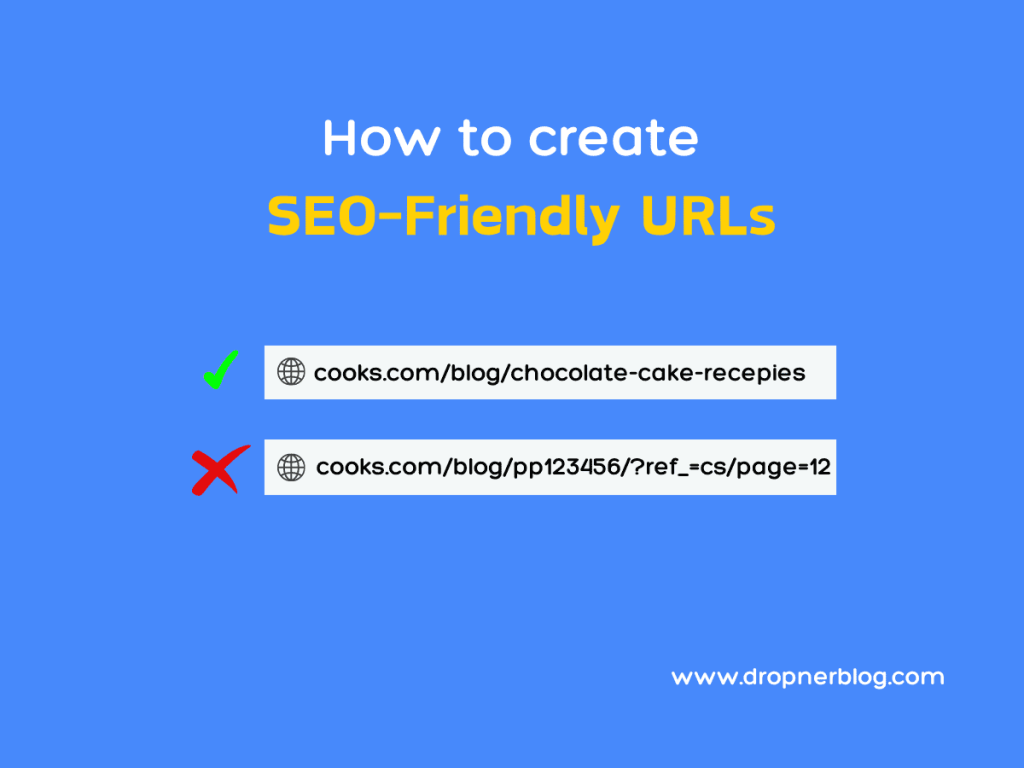
- Creating descriptive, keyword-rich URLs (e.g., “yourstore.com/mens-running-shoes” instead of “yourstore.com/product123”).
- Incorporating internal linking to connect relevant pages and distribute authority across your site.
- Using breadcrumb navigation to help users and search engines understand the site’s structure.
A logical site architecture ensures that search engines can properly index and rank your pages.
5. Leverage Technical SEO Best Practices
Technical SEO focuses on optimizing the backend elements of your eCommerce website to enhance search engine visibility. Important aspects include:
- Fixing broken links and redirects to avoid indexing issues.
- Creating and submitting an XML sitemap to help search engines discover pages.
- Using structured data markup (schema) to enhance search results with rich snippets (e.g., star ratings, price, availability).
- Implementing HTTPS security to protect user data and improve trustworthiness.
Regular SEO audits can help identify and fix technical issues that may hinder your site’s performance.
6. Develop High-Quality Backlinks
Backlinks from reputable sites signal to search engines that your eCommerce store is trustworthy and authoritative. Effective ways to build quality backlinks include:
- Guest posting on industry-related blogs and websites.
- Collaborating with influencers and bloggers to review and promote your products.
- Getting featured on industry directories and comparison sites.
- Creating shareable content like infographics, how-to guides, and video tutorials.
Avoid spammy or low-quality backlinks, as they can harm your site’s credibility and rankings.
7. Enhance User Experience (UX) and Engagement
A positive user experience encourages visitors to stay longer, explore more pages, and complete purchases. Search engines consider UX signals like bounce rate, dwell time, and click-through rate when ranking websites. To improve UX:
- Simplify navigation so users can easily find products and information.
- Use clear and compelling calls to action (CTAs) to guide visitors towards conversions.
- Offer multiple payment options and a seamless checkout process.
- Optimize site search functionality to help users find products quickly.
By prioritizing user experience, you not only improve SEO but also increase customer satisfaction and conversions.
Conclusion
SEO is a crucial aspect of running a successful eCommerce business. By conducting thorough keyword research, optimizing product pages, improving site speed, refining technical SEO, building backlinks, and enhancing user experience, you can significantly improve your site’s search engine rankings.
Implementing these strategies consistently will help drive organic traffic, boost visibility, and ultimately increase sales for your online store.
Read more related content about SEO.



 Dropner Graphic Explainer