
Image via Freepik

Written by Andre Oentoro. ✔️ Published and edited by Bonny Isselt.
When Cold Emails Receive No Responses, Do This
After crafting cold emails and hitting the send button, you wait in the hope that people will respond.
But what if nothing happens? No replies. No engagement. Your emails seem to vanish into the void.
So, what’s going wrong? Why isn’t anyone opening them?
The truth is that most cold emails fail before they even get read. If your open rates are low, it’s not because people aren’t interested. It’s because something in your approach is turning them away.
Let’s break down the key reasons your email outreach strategy doesn’t drive results and ways to fix them.
Table of Contents (click here to open it).
#1. Weak Subject Line
Your subject line is the first thing people see. If it’s not compelling, your email is doomed before it’s even opened.
Would you open an email with a subject like “Quick Question” or “Exclusive Offer Just for You”? Probably not. These lines are vague, overused, and scream “spam.”
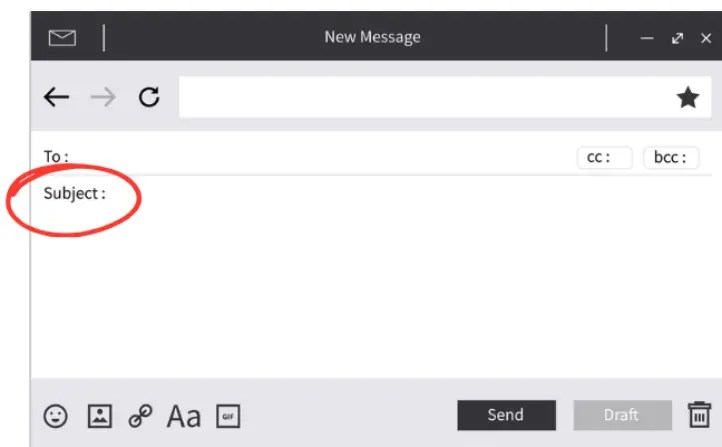
A good subject line should be clear, relevant, and spark curiosity. Keep these in mind the next time you create a subject line:
Give personalization: “John, a product in your shopping cart is 30% off.”
Add relevance: “Struggling with lead generation? Our tool might help.”
Stay Brief: Keep it under 50 characters so it doesn’t get cut off.
One more thing: avoid clickbait or misleading subject lines. If your email doesn’t deliver on the subject’s promise, people will lose trust in your future messages.
#2. You’re Emailing the Wrong People
Even the best-written cold email won’t work if it lands in the wrong inbox. If your recipient doesn’t need what you’re offering, they’ll ignore your email. Simple as that.
Next time, before hitting send, make sure you’re reaching the right audience. First, ask these questions: “Does this person have the authority to make decisions?” “Is your solution relevant to their role or industry?” and “Have they shown interest in similar products or services before?”
Remember, a little research goes a long way. To find the right contacts, you can check LinkedIn profiles, company websites, or industry forums. Sending fewer but highly targeted emails is always better than blasting hundreds to the wrong people.
#3. Your Email Looks Like Spam
Spam filters are getting smarter. If your email looks spammy, it might never reach the inbox. Sometimes, it goes directly to the spam section, and people won’t even care about it.
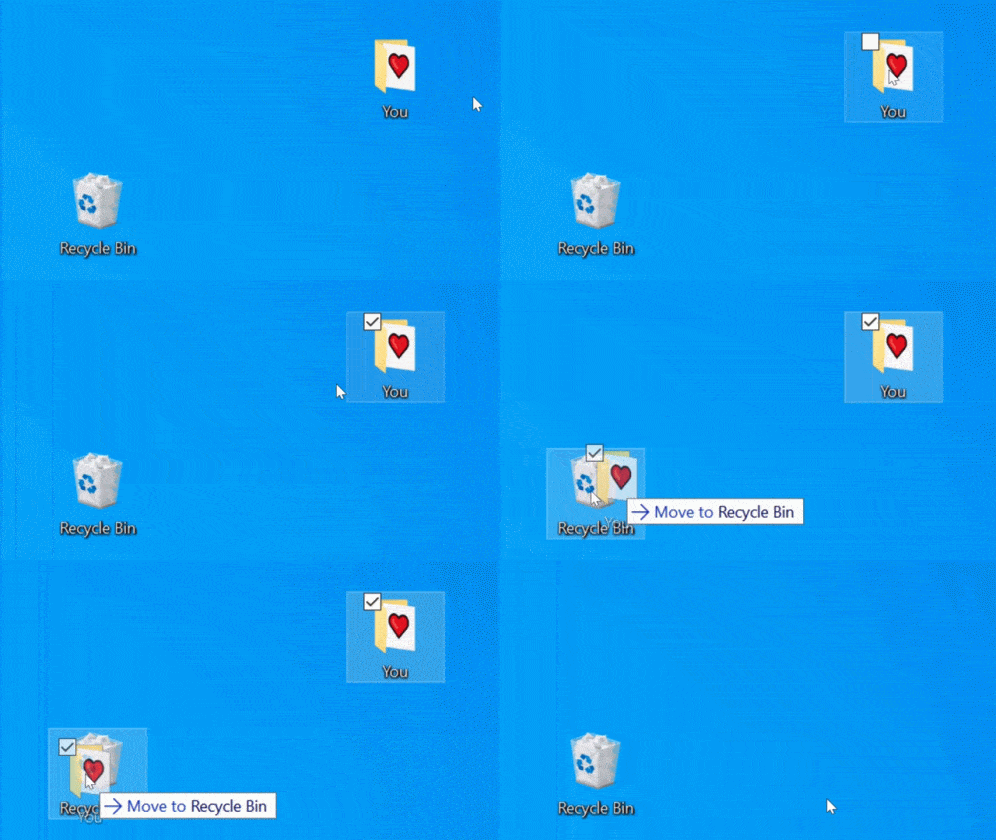
You might wonder, “What makes an email look like spam?” There are some factors your cold email is detected as spam, so watch out for these mistakes:
❌ Too many links: Stick to one or two at most.
❌ All caps or excessive punctuation: “LIMITED TIME OFFER!!!”
❌ Overuse of sales words: Avoid words like “free,” “guaranteed,” or “exclusive deal.”
❌ Generic greetings: “Dear Sir/Madam” sounds impersonal and outdated.
You can always avoid these pitfalls by writing like a real person. Keep it conversational and personal, such as addressing the recipient by name, and make your message feel like it was written just for them.
A well-structured email shows your professionalism as a brand and is much more likely to get a response.
#4. Your Email is Too Long
Nobody has time to read a novel in their inbox, not even you. If your email is a long, dense block of text, most recipients will skim the first line and move on. So, you should do the opposite.
A cold email should be short, to the point, and easy to scan. Ideally, it should be under 100–150 words. Get straight to the value by emphasizing why you’re reaching out and how your offer benefits them.
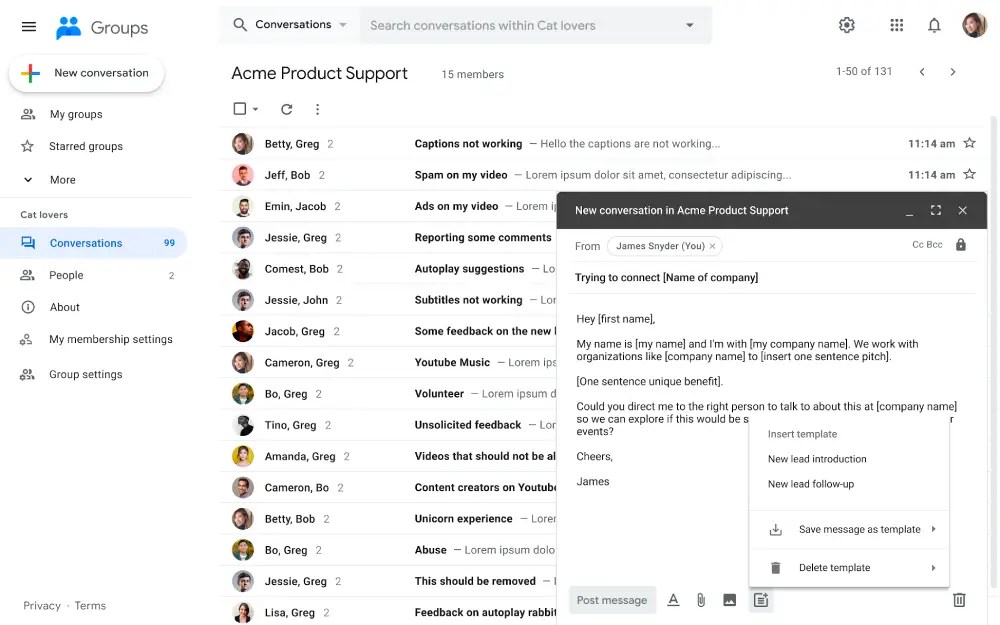
To make your email more appealing, you must cut the fluff and break it into short paragraphs. Admit it—big chunks of text feel overwhelming, don’t they? Use bullet points when listing benefits to make it easier to skim and visuals like emojis or animations.
Your cold email should sound like a quick conversation starter, not a full pitch. Your goal is to spark interest, not to close the deal in one message.
#5. You Didn’t Follow Up
It’s highly possible that your first email gets ignored. That’s totally normal. However, you should understand the reasons. One possible reason is that your recipients are busy, so your email gets scrolled over.
That’s why following up is essential! In fact, most replies come after the second or third email, not the first. If you send just one email and give up, you’re definitely missing opportunities.
You can follow up effectively by spacing your emails. For example, wait for 3-5 days before sending your second email. Besides, keep it short; a quick reminder always works. Don’t forget to add value or insights to attract them.
In case you’re figuring out what a follow-up email looks like, here is a brief example:
“Hey [Name], just checking in to see if you had a chance to look at my previous email. I’d love to hear your thoughts. Let me know if you’re open to a quick chat!”
Consistency is key. A polite follow-up can turn a cold email into a warm conversation.
#6. There’s No Clear Next Step
Now, your subject looks attractive, and your email is well-written, but what do you want the recipient to do next? People won’t take action if your email doesn’t have a clear call to action (CTA).
Specific next steps can be expressions like, “Would you be open to a quick 10-minute call this Thursday?” “I can send over a short case study. Are you interested?” “If this sounds relevant, let’s set up a quick chat next week. Does Tuesday or Wednesday work?”
These examples make it easy for the recipient to say yes. So, giving a clear, low-effort next step is essential. The more direct and actionable your CTA, the higher your chances of getting a response.
Last Thought.
With the rise of social media marketing, some might think cold emails are outdated. But the truth is that email outreach remains one of the most direct and effective ways to reach potential clients, partners, or investors.
Social media can get your message buried in an algorithm-driven feed, but emails land directly in your recipient’s inbox. Cold emails can generate leads, close deals, and open new opportunities when done right.
Moreover, include visuals to boost engagement and use email marketing tools to help you automate follow-ups, track results, and optimize your content. So, before you give up on email marketing, try applying these strategies to see better results!

 Dropner Graphic Explainer
These are great ideas. I just wrote an email to my small group of Bandcamp followers and addressed them like I was writing to them directly. Toward the end, I asked them a music-related question and got a reply.
LikeLike