

Written by Amir Waheed. ✔️ Published and editted by Bonny Isselt.
The landscape of Search Engine Optimization (SEO) is constantly evolving. That’s why, staying ahead of the curve requires a keen understanding of user search behavior and emerging trends.
While sophisticated tools and complex algorithms often dominate the SEO space, a readily accessible and remarkably powerful resource frequently goes underutilized: Google Trends.
This platform, provided free of charge by Google, offers a wealth of real-time and historical search data that. When it is analyzed strategically, it can help you find out significant SEO opportunities.
You need to understand how to effectively navigate and interpret the information presented by Google Trends. It will help the digital marketers and website owners a lot in crafting a robust SEO strategy.
In this article, you’ll get to learn about how Google Trends can be leveraged to uncover actionable SEO opportunities.
You can also outsource, get knowledge, and invest in SEO companies such as:
We’ll provide you with a comprehensive guide for optimizing online presence and reaching target audiences more effectively.
So, let’s begin!
1. Identifying Trending Topics and Content Gaps
One of the most immediate benefits of Google Trends is its ability to highlight topics that are currently experiencing a surge in popularity.
By monitoring trending searches, particularly within specific geographic regions relevant to your target audience, you can identify emerging themes and keywords that are capturing public attention.
This real-time insight allows you to proactively create content that addresses these interests, positioning your website as a timely and relevant resource.
Furthermore, analyzing the related queries associated with trending topics can reveal content gaps. By identifying these gaps, you can develop unique and valuable content that caters directly to unmet user needs, thereby attracting organic traffic and establishing authority within your niche.
This proactive approach to content creation, driven by real-time trend analysis, can significantly enhance your website’s visibility and relevance in the search engine results pages (SERPs).
Learn how to edit SERP in WordPress in this video.
2. Uncovering Seasonal Demand and Planning Content Calendars
Many industries and product categories experience predictable fluctuations in search interest throughout the year. Google Trends provides historical data that allows you to identify these seasonal patterns with precision.
For instance, businesses selling winter apparel will observe a significant increase in search volume for related keywords during the colder months. On the other hand, those offering summer vacation packages will see a peak in interest leading up to and during the summer season.
By analyzing historical trend data over several years, you can accurately predict these seasonal peaks and drops for your target keywords. This information is invaluable for planning your content calendar and marketing campaigns.
You can strategically schedule the publication of relevant content, optimize product pages, and launch targeted advertising efforts.
3. Localizing SEO Strategies with Regional Interest Data
Search behaviour often varies significantly across different geographic regions. Google Trends allows you to analyze the relative popularity of search terms at the country, state, and even city level.
This regional data is crucial for businesses with local or regional target markets. By understanding where specific keywords and topics are most popular, you can tailor your SEO strategies to resonate with local audiences.
This might involve creating location-specific content, optimizing your Google My Business profile with locally relevant keywords, and targeting your advertising campaigns to high-interest areas.
For example, a restaurant chain can use Google Trends to identify the most popular cuisines in different cities and adjust their menu offerings and local SEO efforts accordingly. This localized approach ensures that your SEO efforts are concentrated in areas where there is the highest potential for engagement and conversion.
4. Identifying Related Queries for Improved Keyword Research
Beyond the primary keywords you are tracking, Google Trends provides a valuable feature that displays “Related queries.” These are terms that users are searching for in relation with your main keyword.
Analyzing these related queries can significantly expand your keyword research and uncover valuable long-tail keywords that you might have otherwise overlooked.
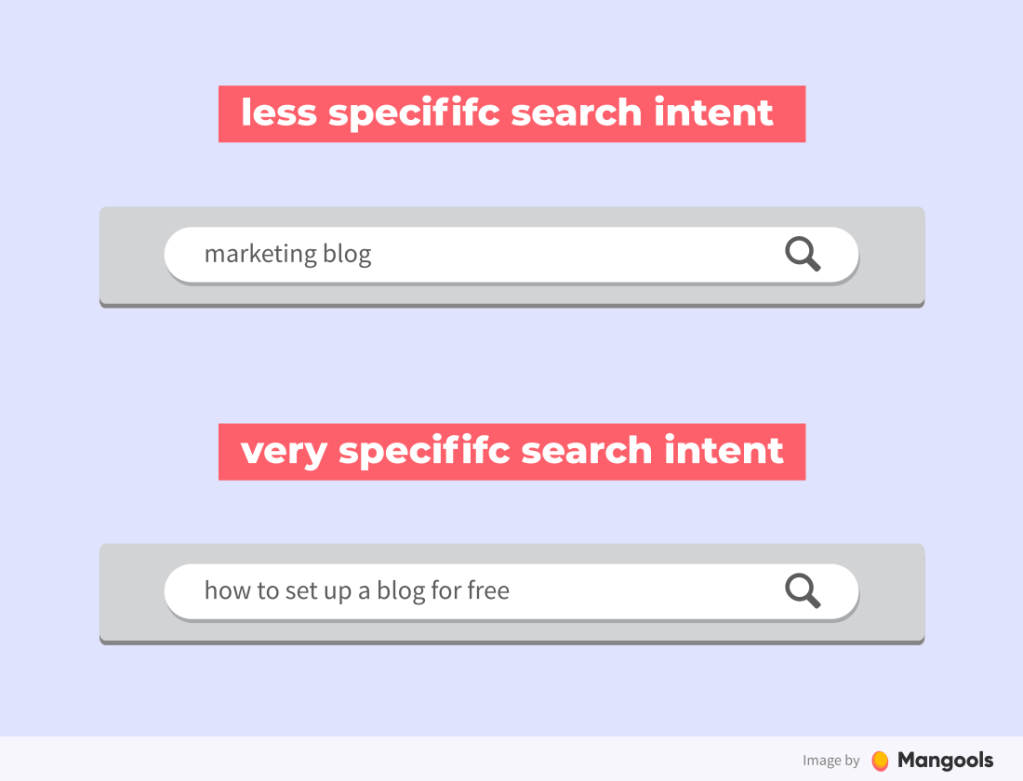

Long-tail keywords, which are longer and more specific search phrases, often have lower competition and higher conversion rates as they target users with a more specific intent.
By incorporating relevant related queries into your content, you can attract a more targeted audience and improve your chances of ranking for a wider range of search terms. This deeper understanding of user search patterns can lead to more comprehensive and effective keyword targeting.
5. Monitoring Competitor Activity and Identifying Their Strengths
While Google Trends does not provide direct insights into your competitors’ specific keyword strategies, it can offer valuable clues about their areas of focus and the topics they are gaining traction for.
By comparing the trend lines of keywords relevant to your industry with those related to your competitors’ brands or core offerings, you can gain a general understanding of their online visibility. Sudden spikes in search interest for their brand or specific products might indicate successful marketing campaigns or new product launches.
By monitoring these trends, you can identify potential areas where your competitors are gaining an edge and adapt your own strategies accordingly. This competitive intelligence gained from publicly available search data, can better your content strategy and help you identify opportunities to differentiate your offerings.
6. Understanding the Impact of Current Events and News Cycles
Major news events and current affairs can significantly impact search behavior. Google Trends allows you to monitor how these events influence the popularity of specific keywords and topics in real-time.
To better understand Google Trends offer a free training that guides you in.
By staying informed about trending news relevant to your industry, you can create timely and relevant content that capitalizes on these surges in interest.
For example, a financial services company might see a spike in searches related to inflation following a major economic announcement. By quickly creating informative content addressing this topic, they can attract a large audience seeking answers.
This agility in responding to current events can be a powerful way to drive organic traffic and improve brand visibility.
7. Refining Content Angles and Identifying Engaging Formats
Google Trends can provide insights into how users are searching for information related to your core topics. By analyzing the related queries and the context in which certain keywords are being used, you can gain a better understanding of the specific content angles.
For instance, if you are writing about cooking recipes and notice a surge in searches for “easy vegetarian recipes for beginners,” this suggests a specific content angle that is currently in high demand.
Similarly, analyzing related queries might reveal that users are frequently searching for video tutorials or infographic explanations. This information can help you refine your content strategy, focusing on creating content that aligns with user preferences.
8. Evaluating the Effectiveness of Marketing Campaigns and Content Initiatives
Google Trends can be used to know the immediate impact of your marketing campaigns and content initiatives on search interest. By monitoring the search volume for relevant keywords and your brand name, you can assess its effectiveness in generating awareness.
A noticeable increase in search volume coinciding with your efforts can indicate a successful campaign. On the other hand, a lack of significant change might suggest the need to re-evaluate your strategy.
While Google Trends does not provide the campaign-level data, it offers a valuable high-level overview of the impact of your broader marketing on search behaviour.
9. Identifying Niche Markets and Untapped Opportunities
By exploring less obvious keyword combinations and analyzing regional variations, Google Trends can help you identify untapped SEO opportunities. Sometimes, focusing on highly competitive broad keywords can be less effective than targeting specific, less crowded niches.
Google Trends can reveal pockets of high interest for very specific long-tail keywords that are not being adequately addressed by existing content. By identifying these underserved areas, you can create highly targeted content.
This strategic focus on niche markets can be a powerful way to gain a competitive advantage.
10. Predicting Future Trends and Adapting Long-Term Strategies
While Google Trends primarily provides historical and real-time data, analyzing long-term trends can offer valuable insights into search interest.
By observing consistent upward or downward trends for specific keywords and topics over several years, you can anticipate future shifts. It will help you adapt your long-term SEO strategies accordingly.
For example, a gradual increase in searches for sustainable products might indicate a growing consumer interest in environmental consciousness. It will prompt businesses to incorporate more sustainability-related content and keywords into their SEO efforts.
This forward-looking approach allows you to proactively position your website for future growth and relevance.
Conclusion
Google Trends, often underestimated in its potential, stands as a powerful and freely available tool for uncovering different SEO opportunities.
From identifying trending topics to refining content angles, the platform offers invaluable insights into user search behaviour.
Digital marketers and website owners can make data-driven decisions that improve their keyword research, and overall SEO effectiveness.
Utilizing Google Trends as an integral part of your SEO toolkit can lead to improved organic visibility, increased targeted traffic, and a stronger online presence.
The ability to understand and react to the dynamic nature of search interest, facilitated by Google Trends, is crucial for sustained SEO Granby success.

 Dropner Graphic Explainer