
Written By Bonny Isselt.
In our daily lives we are busy with other important things and therefore; You have little time to keep your online image continually updated.
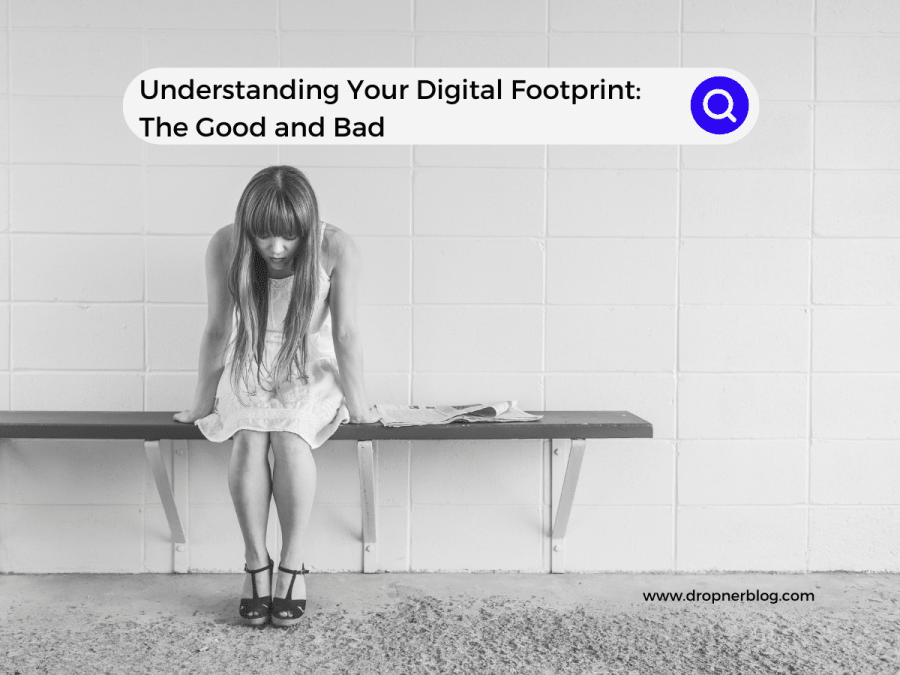
Your digital footprint is what you can find on the internet.
The more information you have online (positive or negative), the more your digital footprint will be left behind by you intentionally or unconsciously via social media.
- 79% of internet users are concerned about how their data is being used by companies.
Source: “Data and Privacy: The Public’s Concerns,” Pew Research Center - 54% of Americans feel that the government should do more to regulate how tech companies use personal data.
Source: “Americans’ Attitudes About Privacy, Data and Technology,” Pew Research Center
What is a digital footprint?
A digital footprint is the trail of data you leave behind when you use the internet. Every time you post on social media, comment on a blog, or even just visit a website, you create a digital footprint.
This footprint can be positive, like sharing helpful content, or negative, such as posting inappropriate comments.
For social media users, it’s important to be aware of your digital footprint because it shapes how others see you online and can influence your reputation.
Essentially, it’s the online persona you build through your actions, and it can have lasting effects on your personal and professional life.
The Good and Bad Effects of Digital Footprint
In today’s digital age, every online interaction contributes to our digital footprint. Understanding the implications of this footprint can help us manage our online presence more effectively.
The Good Effects of Digital Footprint
Enhanced Findability
A clear online presence helps potential employers, clients, or collaborators find you. By showcasing your skills and experience, you create new opportunities.Building a Personal Brand
Your online presence shapes your personal brand. Through content like blogs, portfolios, or social media posts, you can influence how others see you and position yourself as an authority in your field.Networking Opportunities
An online presence helps you connect with like-minded professionals. Interacting through comments, forums, or social media can lead to valuable relationships.Online Reputation Management
Managing your online presence helps highlight positive experiences and feedback, building trust with your audience and clients. More positive information reduces the impact of negativity.
The Bad Effects of Digital Footprint
Negative Search Results
Unfavorable reviews or inappropriate content online can damage your reputation, overshadowing your qualifications and achievements.Privacy Risks
Sharing too much personal information can invade privacy. Data breaches or cyber-attacks can reveal sensitive details, increasing the risk of identity theft or harassment.Professional Consequences
Employers often look online for details about candidates. A negative online presence, like inappropriate social media posts or controversial opinions, can affect job opportunities and career growth.Online Misinterpretation
Context is important online, but it can be lost in digital communication. A harmless comment might be misunderstood, causing conflicts that can hurt personal and professional relationships.
Navigating the complexities of your digital footprint is essential in today’s online landscape.
By curating a positive, consistent online presence while being aware of potential pitfalls, individuals can harness the benefits of their digital footprint while mitigating its risks.
Regularly reviewing and updating your online profiles and content can help maintain a favorable digital reputation.
Be online findable.
Your online image can work for you. It can be the acquaintance before the actual acquaintance.
So make sure you have a good story about yourself.
For example, on LinkedIn, with a complete profile, characteristic features, and chronological study and/or work experience.
Ask for feedback.
You can ask for recommendations via a medium like LinkedIn or WordPress.
To contacts such as (former) colleagues, fellow students, or friends with the same interests.
Not only do people like to read reviews online about products or services, but they also want to know who they are dealing with when they go into business with someone.
And who can tell that better than the people who have experience with you!
Protect Your Online Identity
Do you have specific expertise or an impressive portfolio that you would like to share?
Describe it and make it known to your target audience. But be cautious, as identity fraud can easily be committed.
What you must protect.
❌ Do not share your private phone number.
❌ Do not share your bank details.
Show this by employing a blog, for example. Or use LinkedIn or Facebook as a visual medium.
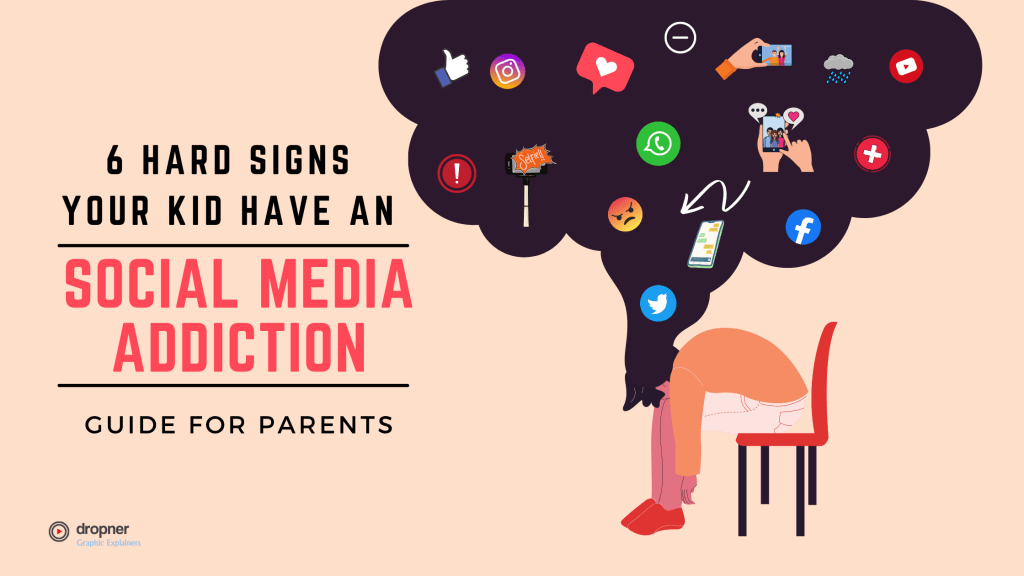
Social media can be addictive and harmful to the development of kids, teens, and adults. Read this blog post about social media addiction and how to help them.
Have a privacy policy.
Being a consistent blogger can transform your blog into a reliable source of information that readers love.
But you have to set up rules for your members, followers, and your blog that have worked on to prevent it from spinning out of control.
I have even set privacy rules for my blog so that you can easily read how I handle my data and with which parties I share it.
Read or scroll DropnerBlog’s privacy policy here.
Many bloggers forget to update their privacy policy pages or overlook important details, even though search results show copyright data. Stay consistent.
Make sure potential bloggers see a clear story about you. An interesting, professional-looking blog with consistent, quality posts is a great asset for you.
Prevent negativity.
Prevention is always better than a cure. It does not have to be that serious, but be aware. Things you do online can have an offline effect.
Has an unpleasant search result appeared to you? Then you can submit a request to Google to delete it.
Incidentally, this only applies to consumers; for companies, removing negativity online is a lot more difficult.
How to Identify Your Digital Footprint
Identifying your digital footprint means understanding the information you leave online, whether intentionally or by mistake. This awareness helps you manage your online image, protect your privacy, and control your personal data.
Here are a few practices you can adopt to exercise more control over your digital footprint:
Step #1 | Check Your Social Media Accounts
Your social media profiles really do a lot for your online vibe. Take a look at your profiles on Facebook, Instagram, Twitter, and LinkedIn. Check out what you’ve posted, like your photos, updates, and comments.
Don’t forget to tweak your privacy settings so you can decide who gets to see your stuff and your personal info.
Step #2 | Review Your Browser Settings
Your web browser saves information about your online activities, such as your browsing history, cookies, and passwords.
Check your browser’s settings to review this data and see the permissions granted to frequently visited websites.
Step #3 | Google Yourself
Search for your name on different search engines to find out what information is publicly available.
This includes social media posts, news articles, blogs, and more. Try different variations of your name and any usernames you use online.
Step #4 | Examine Subscriptions & Accounts
Look at your emails for newsletters, account sign-up confirmations, and other subscriptions.
These records can give you a sense of the extent of your active footprint in terms of the services, shops, and platforms you’ve interacted with.
Step #5 | Use Privacy Tools
Consider using tools to check your digital footprint. Services like Google Dashboard show the data Google collects from your activities.
A privacy checker can also help you see how visible you are online and what information you might be sharing unknowingly.
Step #6 | Check Data Broker Sites
Data brokers gather and sell consumer information to others. You can see if they have your data by checking sites like Spokeo or PeopleFinder.
Often, you can ask to remove your information, which helps reduce your online footprint.
Step #7 | Monitor App Permissions
On your mobile devices, check the permissions for each app. This includes access to your camera, microphone, location, and contacts.
Changing these permissions can help reduce the data collected about you.
Source: Text
Did you like to read this? If you agree or like, leave a comment and share this with your friends. See more by following me and keep informed of my blog tips when they are published.
Thank you.

 Dropner Graphic Explainer