
Written By Bonny Isselt.
Did you know having blog guidelines for your blog can help you write faster? About 40% do not have guidelines or a content outline for their blog. This implies that your writing is less structured and less organized.
The purpose of having blog guidelines and content outlines is to make your blog writing easy, better, and faster. So that you do not forget to include your main point. In this blog post, you get the best practices.
- What is a blog guideline?
- Why are they important?
- What are the benefits of having them?
- What should be included in the guidelines?
- What makes blog guidelines effective?
- Conclusion
What is a blog guideline?
Blog guidelines are instructions and best practices that define the type of content fitting for a blog. They provide guidance on topics, tone, style, formatting, and other aspects of writing for a blog.
Blog guidelines are necessary because they help to ensure consistency, clarity, and quality across all blog posts. They also help to set your brand identity and attract more readers to your blog. A good set of guidelines should be clear, concise, and easy to follow.
It should provide clear examples of what is and isn’t acceptable content for the blog. It should also be updated regularly to reflect changes in your brand’s values, goals, and audience.
Why are they important?
Having them is necessary for several reasons.
First and foremost, guidelines help ensure that all blog content is consistent in tone, style, formatting, and quality. This helps establish a clear brand identity and makes the blog more engaging for readers.
Additionally, guidelines can help prevent potentially sensitive or controversial topics from being published, which can protect both the blogger and the readers of the blog from negative consequences.
Finally, having clear guidelines in place can help reduce the workload of blog editors and ensure that all content-published tasks are completed promptly and effectively.
Overall, blog guidelines are essential for maintaining a professional and engaging blog presence.
What are the benefits of having them?
Having blog guidelines can be beneficial in several ways. Here are some of the benefits of having blog guidelines:
- Consistency: Blog guidelines help to ensure that all blog posts are consistent. This consistency can help establish your brand identity and make your blog more recognizable to readers.
- Clarity: Blog guidelines can help to clarify what is expected of writers in terms of content, tone, and style. This can help to reduce confusion and ensure that all blog posts are aligned with your brand’s values and goals.
- Efficiency: Blog guidelines can help to streamline the writing process by providing writers with clear instructions on what to include in their posts. This can help to save time and ensure that blog posts are published on a regular schedule.
- Quality: Blog guidelines can help ensure that blog posts are high quality and meet your brand’s standards. This can help to establish your brand as an authority in your industry and attract more readers to your blog.
- SEO: Blog guidelines can help improve your blog’s search engine optimization (SEO) by providing writers with guidelines on their S.E.R.P. posts for search engines. This can help to increase your blog’s visibility and attract more traffic to your website.
What should be included in the guidelines?
The components of blog guidelines are to organize content better, simplify your brand identity, and evade mistakes. Here is a list of what a usual guideline should include:
- Purpose: Explain the purpose of the blog guidelines and why they are crucial.
- Content: Define the type of content that is appropriate for the blog. This can include topics, tone, style, and formatting.
- Audience: Identify the target audience for the blog and provide guidance on how to write for that audience.
- Voice and tone: Define the voice and tone of the blog and provide examples of how to use them effectively.
- Images and media: Provide guidelines for using images and other media in blog posts, including how to source and attribute them.
- SEO: Provide guidance on – how to optimize blog posts for search engines, including keyword research, meta descriptions, and other SEO best practices.
- Editing and proofreading: Provide guidance on – how to edit and proofread blog posts, including common errors to avoid.
- Publishing: Provide guidance on how to publish blog posts, including how to use blogging platforms, how to schedule posts, and how to promote posts on social media.
- Comments and feedback: Provide guidelines for responding to comments and feedback on blog posts, including how to moderate comments and respond to negative feedback.
What makes blog guidelines effective?
A blog guideline is how your content must be presented to the online reader. This must be easy to understand and follow.
Here are some tips on how to write blog guidelines:
- Be clear and concise: Your blog guidelines should be easy to understand and follow. Use simple language and avoid technical jargon.
- Be specific: Your blog guidelines should be about what is and isn’t acceptable content to publish. Provide examples of what is and isn’t allowed.
- Be consistent: Your blog guidelines should be consistent in tone, style, and formatting. This consistency can help establish your brand identity and make your blog more recognizable to readers.
- Be flexible: Your blog guidelines should be flexible enough to allow for creativity and innovation. Avoid being too rigid or prescriptive.
- Be up-to-date: Your blog guidelines should be updated regularly to reflect – changes in your brand’s values, goals, and audience.
- Be accessible: Your blog guidelines should be easily accessible to all writers and contributors. Consider using a shared document to make it available to everyone or include a call-to-action button to the file.
- Be collaborative: Your blog guidelines should be developed collaboratively with input from all stakeholders. This can help to ensure that the guidelines are relevant and effective.
Remember, the key to a successful blog is to provide value to your readers while keeping them engaged and motivated.
Here are some best practices for writing blog guidelines:
- Understand Your Audience: Before you start writing your blog post, make sure you have a clear understanding of your target audience. Ask exploratory questions like: Who are they? Are they like me, or do I know someone like them?
- Choose the Optimal Blog Length: The length of the blog post is another important aspect. It should be long enough to provide value to the reader but not so long that it becomes tedious.
- Craft a Great Headline: One of the biggest mistakes bloggers make is writing blog posts before the headlines. Your headline should promise readers the very answer to whatever is tormenting them.
- Write an Introduction That Grabs and Seduces: Use writing tips in your intros to lure readers down the page.
- Deliver Advice That’s Easy to Consume and Impossible to Ignore: The most popular posts address a compelling topic that will appeal to your target audience.
- Close with a Motivational Bang: End your blog post on a high note to leave your readers feeling satisfied and motivated.
- Polish Your Post: Refine and polish your posts once they’re finished writing them.
- Recycle Your Content: Don’t be afraid to repurpose your old content. This can help you reach a new audience and get more mileage out of your efforts.
- Make Your Blog Easily Accessible to Readers: Ensure that your blog is easy to navigate and that your posts are easy to find.
- Use Simple, Grammatical Sentences: Keep sentences simple and as short as possible. Avoid strings of qualifying clauses.
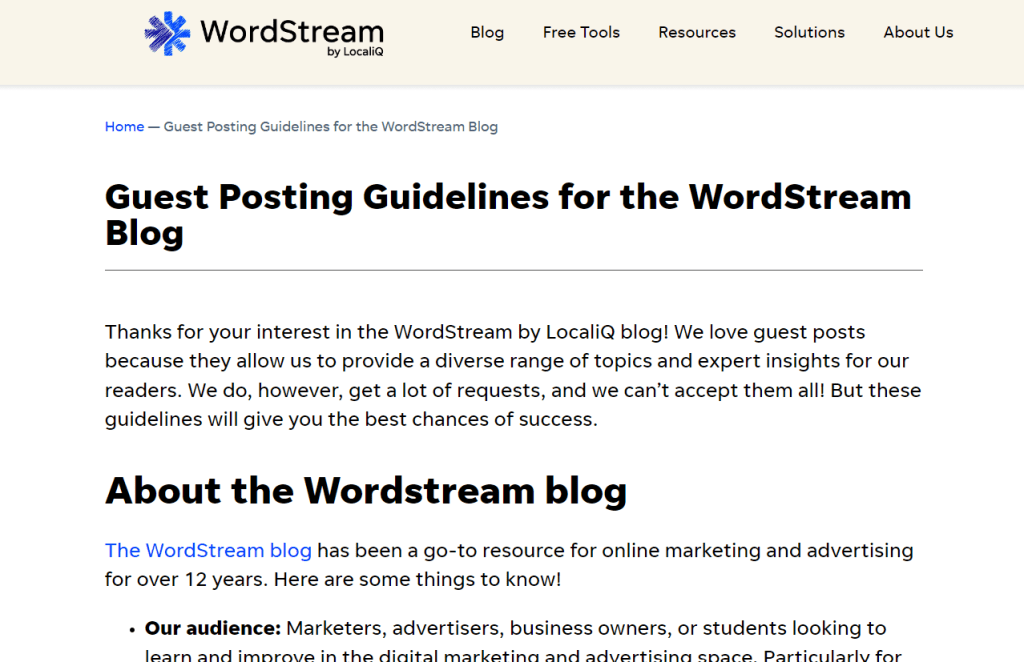
The WordStream blog has guidelines that are worth checking out.
Conclusion
In conclusion, Blog guidelines are vital to have it help give your writing structure. To summarize the key points, you must include the following:
- Structure.
- Consistency.
- Audience.
- Clear.
- Precise.
- Practical.
Understand your audience, draft engaging headlines and introductions, provide valuable advice, polish your post, and make your blog accessible. Keep sentences simple and repurpose old posts. Embrace these guidelines for successful blogging.

 Dropner Graphic Explainer
Excellent point! Having clear blog guidelines and content outlines can greatly improve consistency, creativity, and productivity. A well-structured approach not only saves time but also helps create valuable content for readers. Thank you for sharing this useful insight.
Yes, providing guidelines benefits both your blog and the visitors who read its content.